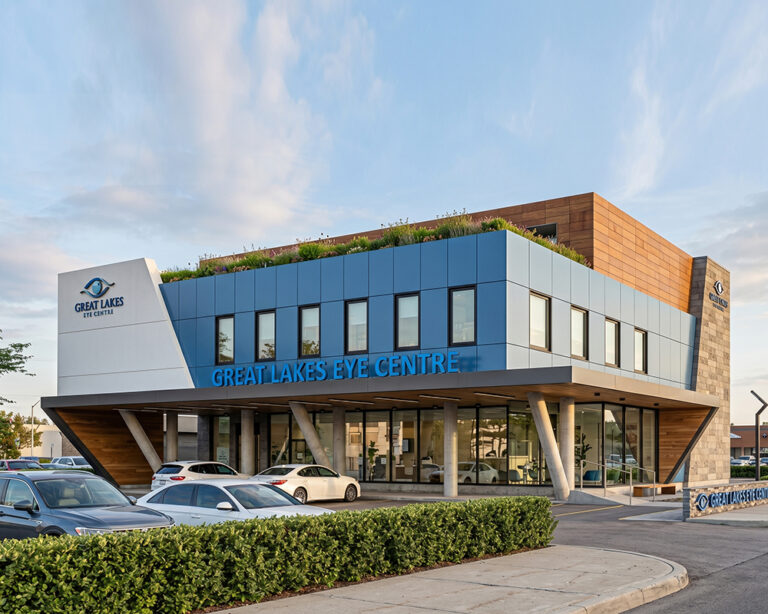
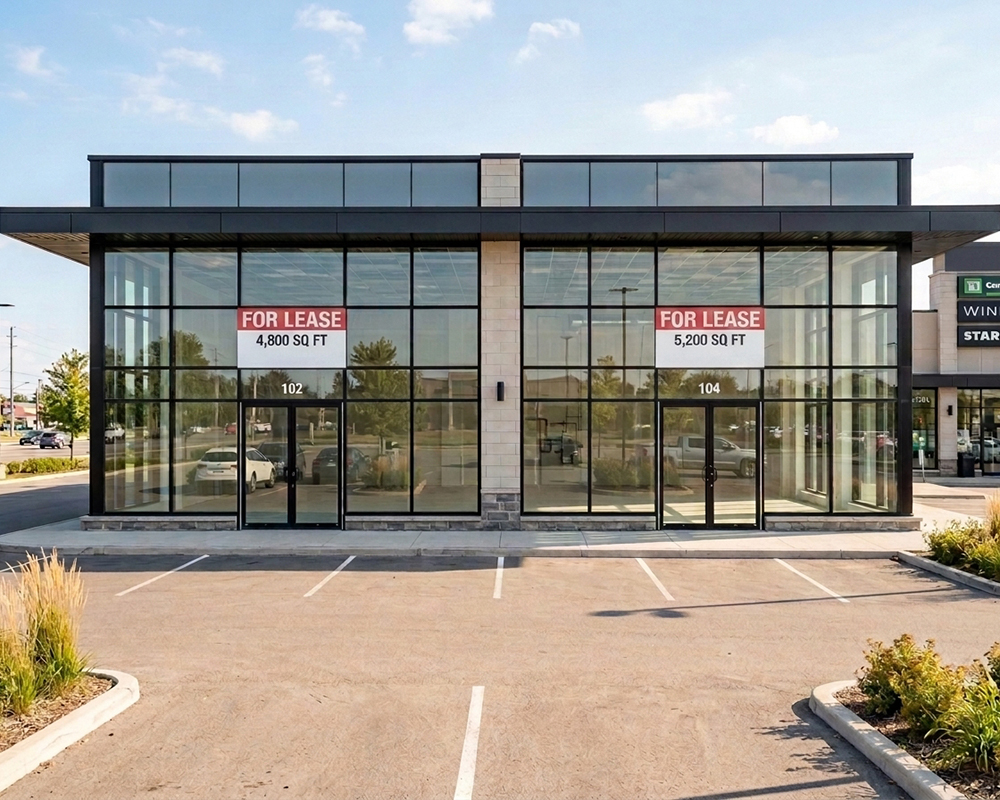
A vacant unit in a plaza. (Image sourced from the Internet. Image used for illustrative purposes.)


A vacant unit doesn’t just sit empty. It sends you a bill every month, and if your anchor tenant is carrying the whole property while surrounding units sit dark, that bill is bigger than most owners realize. When you add up invoices and lost footfall, the vacant retail unit cost becomes obvious fast.
Vacant retail unit cost: what owners actually pay
The Bill You See
Utilities. Maintenance. Security. Insurance. None of it stops just because a unit has no tenant. That cost keeps accruing whether the space is generating income or not. Every month you carry electricity, heating or cooling for an empty shell, you pay for janitorial visits, lighting, alarm monitoring and commercial insurance that factors in vacant exposure. Those are the line items you can point to on a balance sheet: water, trash, exterior repairs, and even landscaping around a storefront that gets no customers. They add up to a baseline cost of vacancy that chips away at net operating income.
The Bill You Don’t
The harder cost to track is what happens around the empty unit. When an anchor tenant is the only reason people come to a property, customers walk straight in and straight back out. The inline tenants along that path lose the exposure they were counting on. Their sales soften. Renewals get harder to justify. Some leave, and the vacant footprint grows again.
None of that shows up on a single invoice. It shows up gradually, in declining sales reports from tenants who never complain until they give notice. It shows up in footfall counts that used to be steady, and then drop. It shows up in the lost value of storefronts that used to command premium rent because people passed them every day. That is the real vacant retail unit cost , the revenue you lose because an otherwise viable tenant pool no longer sees the location as attractive.
For industry context, see this industry vacancy research.
WHY THIS ISN’T JUST A LEASING LINE ITEM
It’s easy to file a vacant unit under “leasing” and revisit it when a prospect calls. But by the time that happens, the property may have already lost the very thing that made it worth leasing in the first place: enough movement past that unit for a new tenant to want to be there.
An empty space next to a strong anchor isn’t a small problem contained to one storefront. It’s a signal about how the whole property is performing, and how much longer it can carry that cost before it starts affecting tenants who are still paying full rent. Owners who treat vacancy as a passive leasing issue often miss the early warning signs: a drop in average tenant sales, shorter tenancy lengths, and a rise in break clauses being exercised.
Where This Leaves Owners
If you’re looking at empty units around a strong anchor and telling yourself “at least the anchor is doing fine,” it’s worth asking what that vacancy is actually costing the tenants around it, and how long they’ll stay if nothing changes. The anchor can mask declining overall performance for a while, but anchors can’t carry every cost forever. When inline tenants begin to report flat sales or decline, the churn increases and your property becomes less competitive on renewal conversations and new lease pricing.
If you want help, see ARCCAN vacancy mitigation services.


Vacant units in a mall and a commercial building (Images sourced from the Internet. Images used for illustrative purposes.)
What Owners Should Track and Ask
- Track tenant sales and footfall: ask for monthly sales reports or use anonymized POS data and common-area counters. Compare year-over-year and look for trends in the units neighboring a vacancy.
- Monitor carrying costs per empty unit: tally utilities, insurance loading, security, and maintenance and treat them as a monthly line item against expected rent.
- Estimate indirect revenue loss: model how a drop in tenant sales affects renewals and turnover costs. Use conservative assumptions to quantify risk to NOI.
- Act on short-term activation: consider pop-ups, temporary tenants, or co-marketing with the anchor to reroute foot traffic. A short-term occupant can maintain movement past neighboring storefronts and preserve tenant confidence.
- Re-evaluate leasing incentives strategically: if you lower rent or offer tenant allowances, make sure the overall property economics keep the anchor and remaining tenants viable.
- Communicate with tenants: ask how vacancy is affecting their business and log feedback. Early conversations let you solve problems before a notice is given.
Final takeaway
Vacant units are a tax on owners in two ways: the visible monthly carrying costs and the quieter, cumulative loss of tenant revenue and retention. Treat vacancy as an operational risk, not just a leasing item, and act early to protect income and preserve tenant confidence.
Quantify the vacant retail unit cost now and act before the hidden tax becomes a crisis.
If your property has a vacant anchor or underperforming space, ARCCAN can evaluate market demand, validate target uses with prospective tenants, and produce a phased investment plan that reduces risk and restores value. Contact ARCCAN to start a diagnostic review.
Services
Location
Client
Facts and Figures
11k
Square feet are designed for Exterior Envelope
3
Levels are unified by a Contemporary Facade.
5
Primary materials define the architectural language