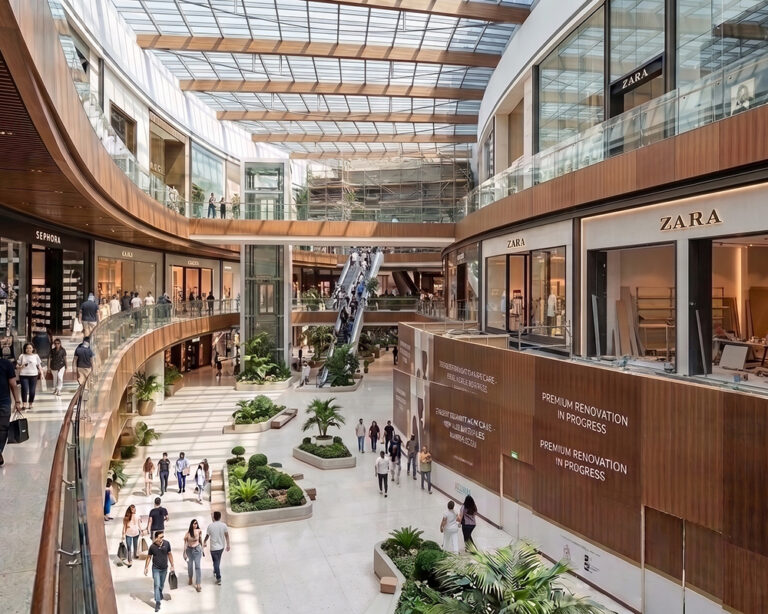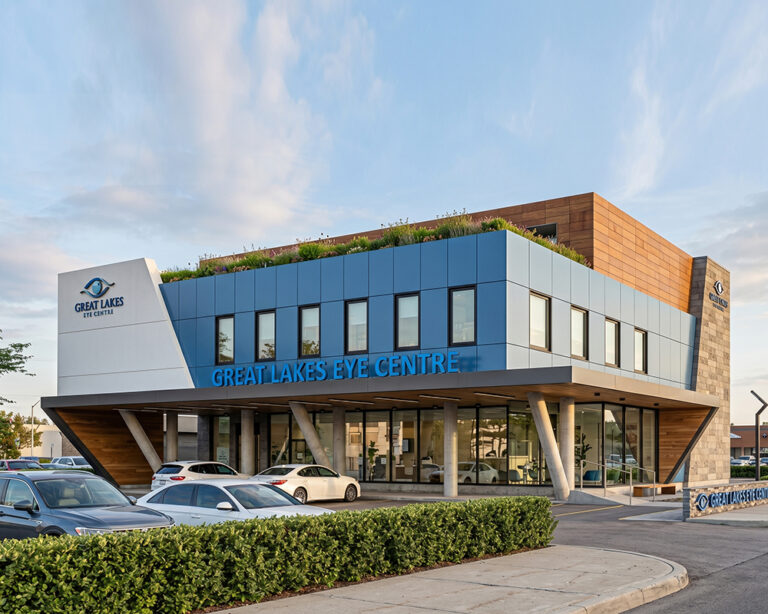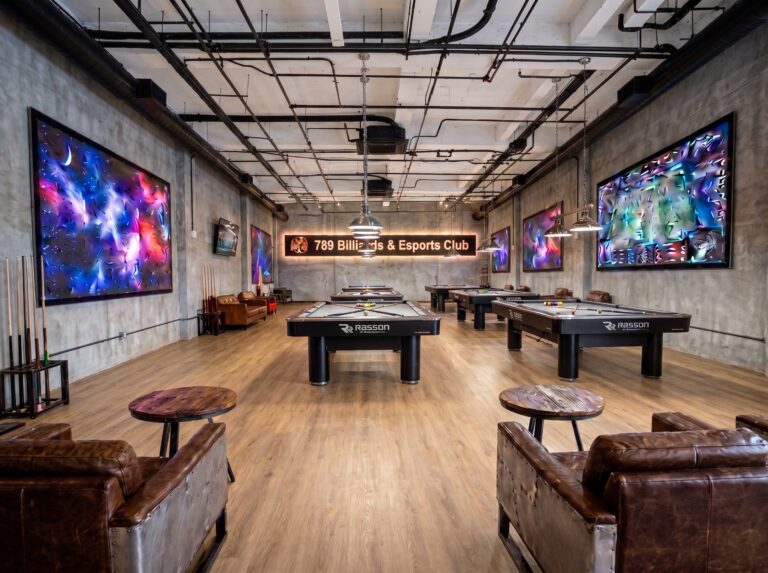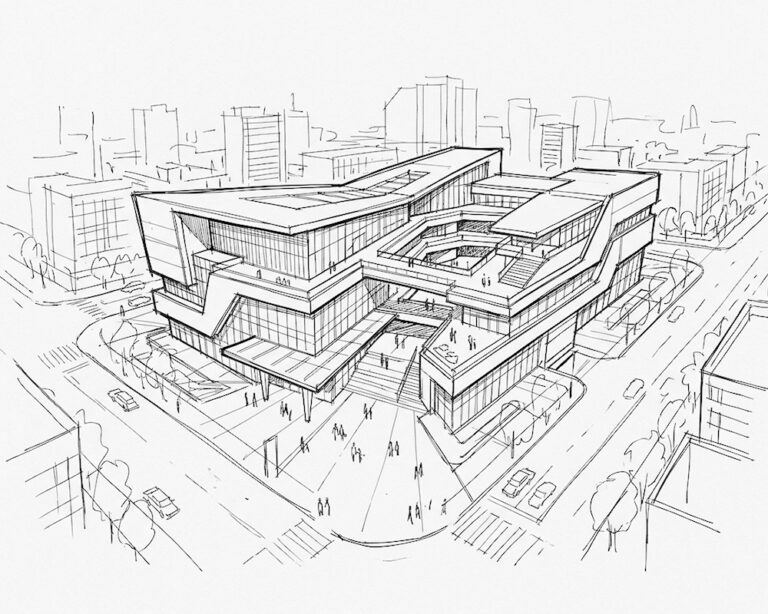
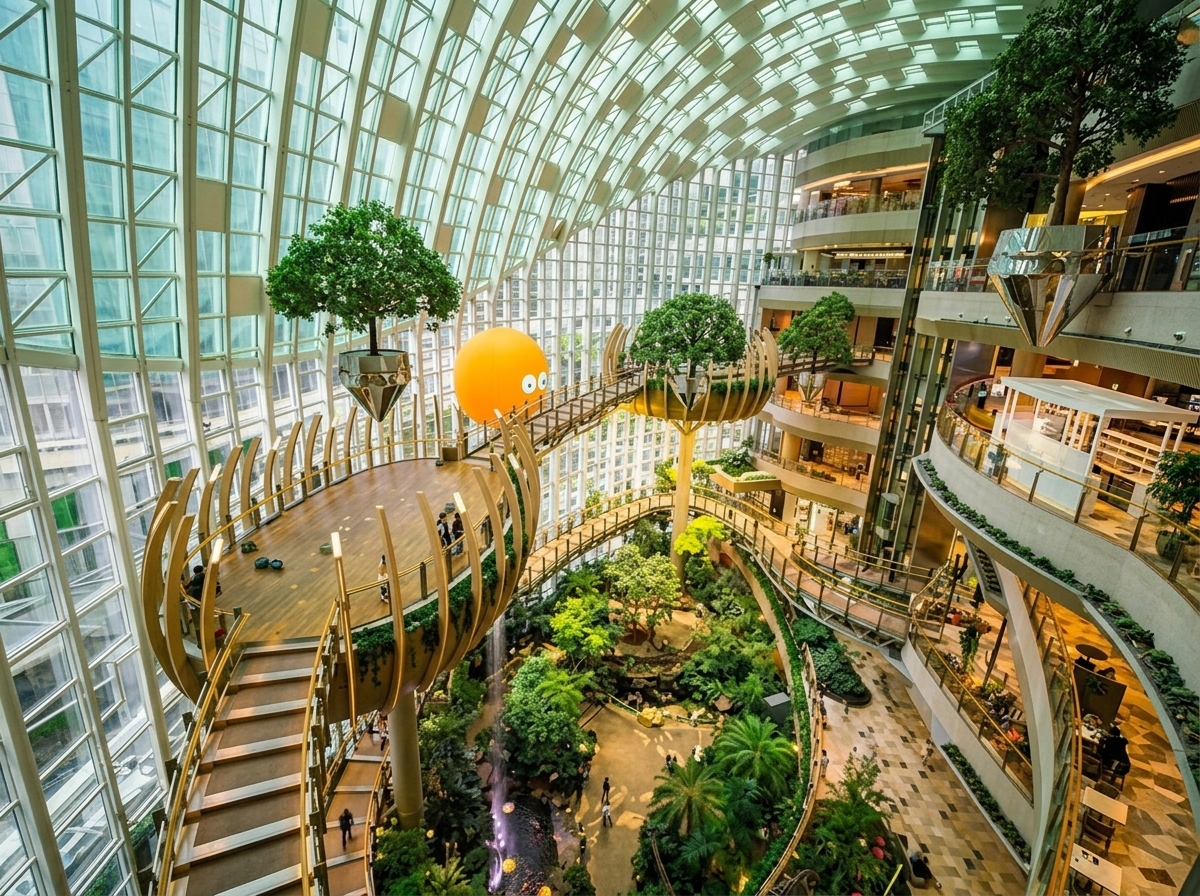
The Ring Mall, Ching Chong, China. (Image sourced from the Internet. Image used for illustrative purposes.)
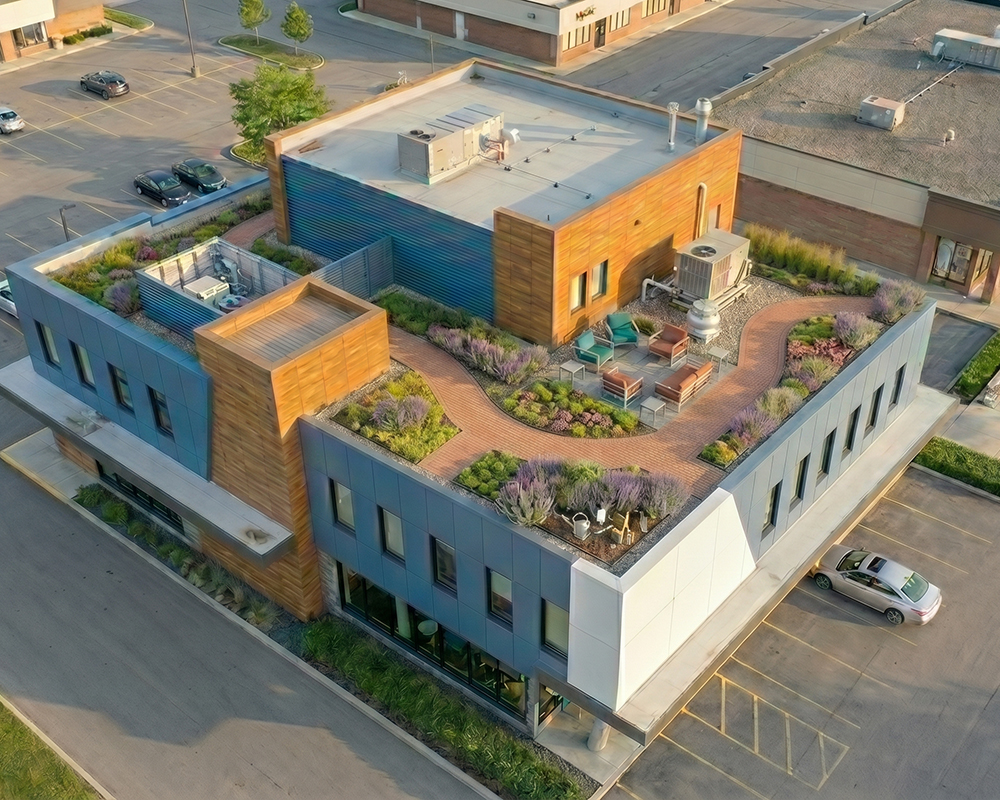
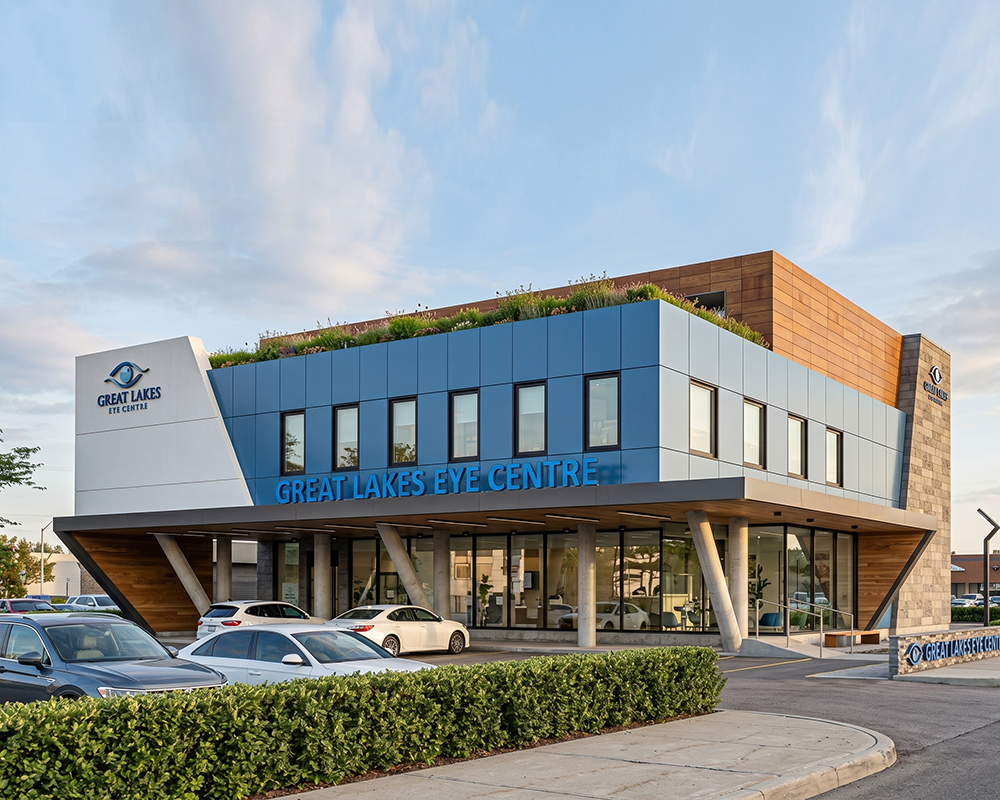
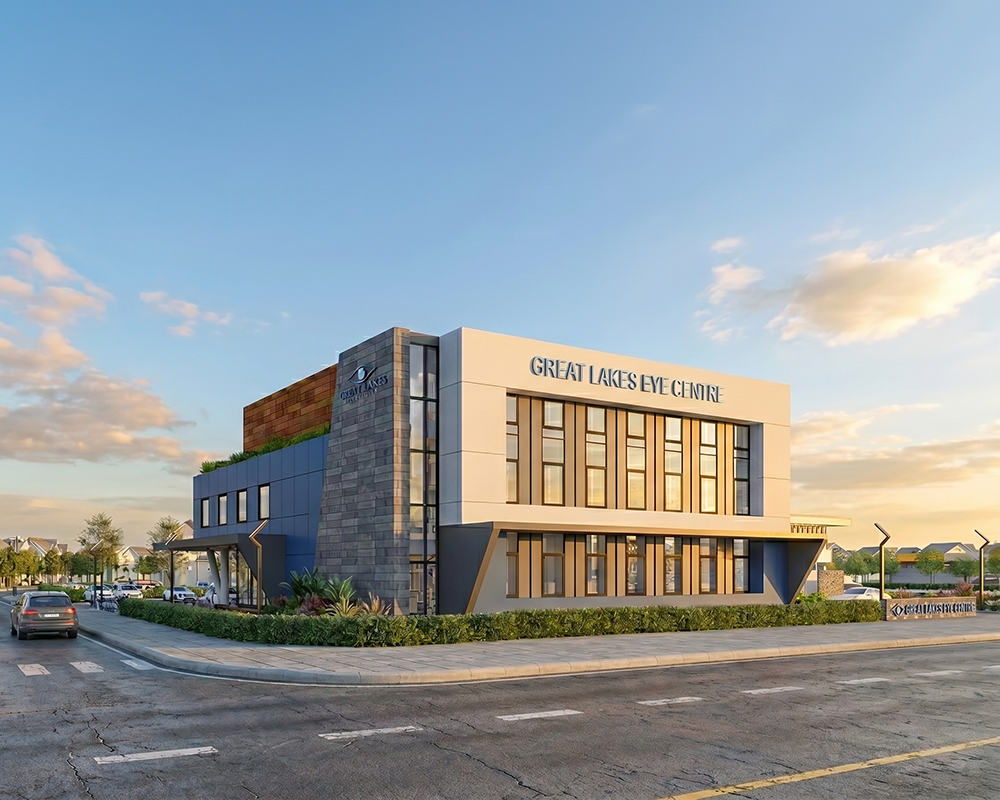
In the 1990s, shopping was purely transactional. You walked in with a list, bought what you needed, and left. Today, that model is running out of time — and a smart retail repositioning strategy is now essential for property owners who want to stay relevant.
WHY A RETAIL REPOSITIONING STRATEGY MATTERS TODAY
Legacy shopping malls, suburban plazas, and enclosed commercial centres were designed for 1990s retail formats: siloed department store anchors, inward-facing concourses, and a customer journey built purely around buying and leaving.
That model has been overtaken by how people actually shop now. E-commerce has absorbed most commodity transactions. So when customers visit a physical property today, they’re looking for something online shopping cannot offer: experience, social connection, and discovery.
Properties still operating on closed, purely transactional layouts feel this shift directly. They see declining dwell time, disappearing foot traffic, and increasingly vulnerable tenant retention. Without a clear retail repositioning strategy, these assets risk becoming permanently obsolete.
Where the Retail Repositioning Opportunity Lives
Commercial assets can no longer rely on single-purpose retail to drive visits. The properties performing best today function as vibrant, multicultural social destinations, places where people from every background share the same space to enjoy global food, culture, and experiences under one roof.
Owners who replace outdated store configurations with culinary concepts, community gathering zones, experiential entertainment, and wellness offerings are turning static retail space into high-dwell-time lifestyle destinations. This is the foundation of effective shopping mall modernization.
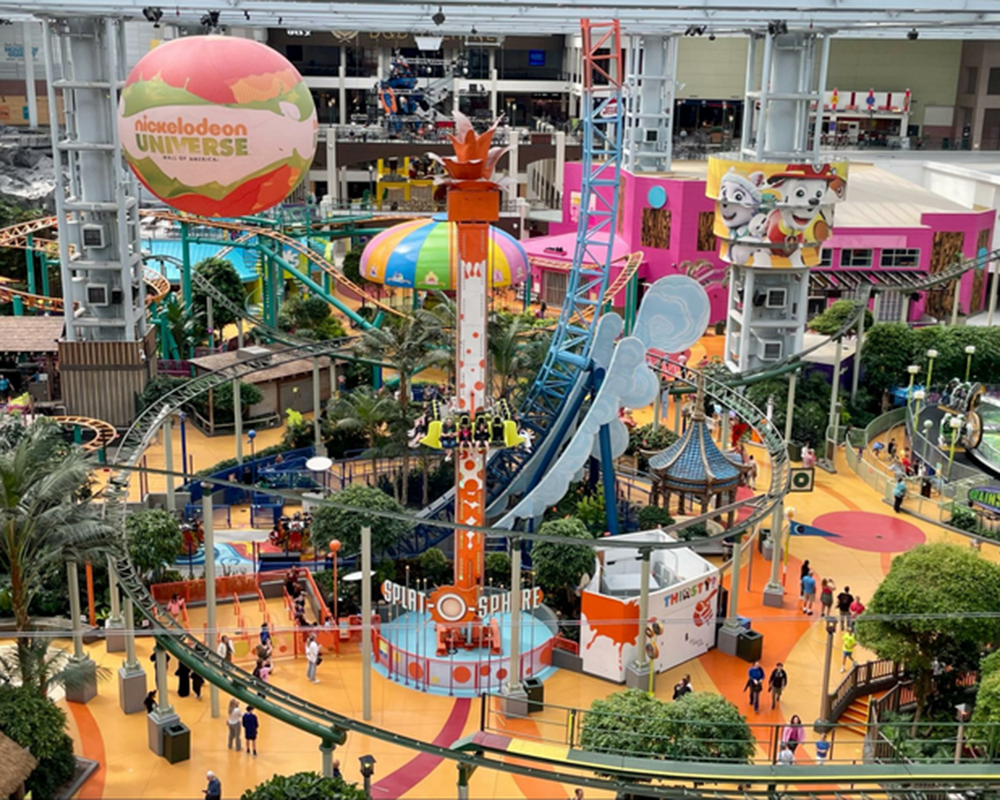
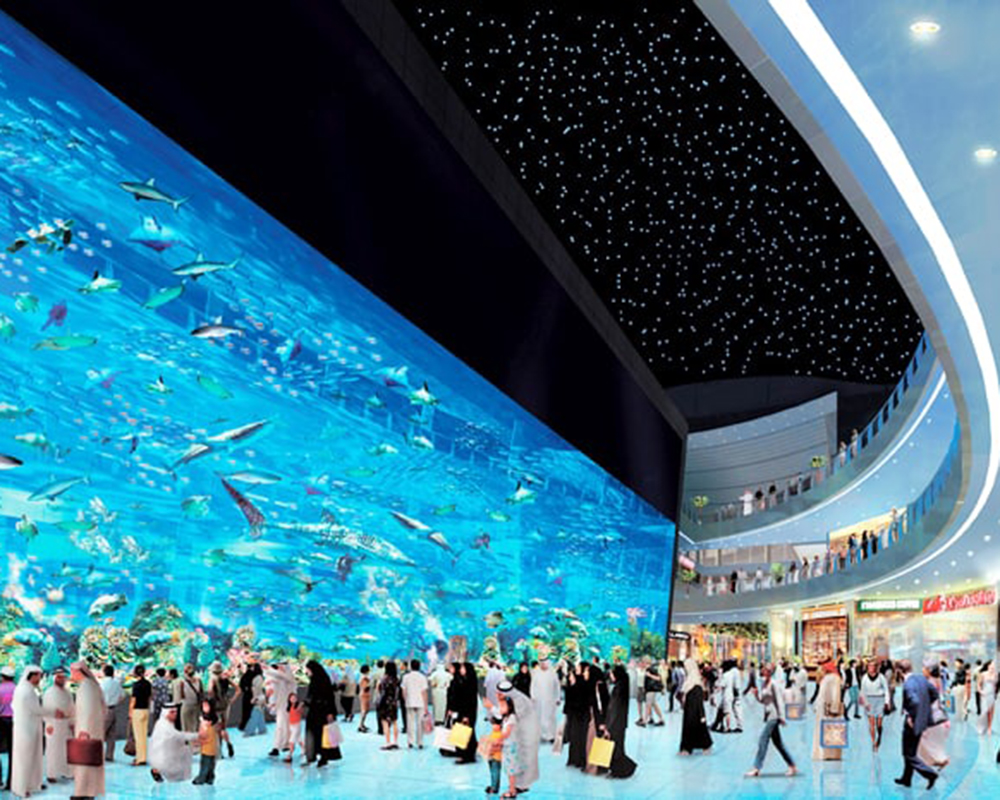
Dubai Mall Aquarium & Mall of America (Images sourced from the Internet. Images used for illustrative purposes.)
ARCCAN’s Retail Repositioning Strategy Framework
As a Commercial Architecture and Property Development Consulting Firm, ARCCAN treats this shift as both a market strategy question and a design question, and we work through both together.
On Property Strategy and Market Intelligence side, our retail repositioning strategy includes:
- Mapping the diverse, multicultural preferences and lifestyle habits of the surrounding trade area through demographic and cultural catchment analysis
- Developing commercial space-mix planning and potential use scenarios that replaces redundant merchandise categories with potential dining, service, wellness, cultural, entertainment, and community-oriented use directions
- Planning the physical customer journey so it complements digital discovery, pickup logistics, and seamless in-property navigation
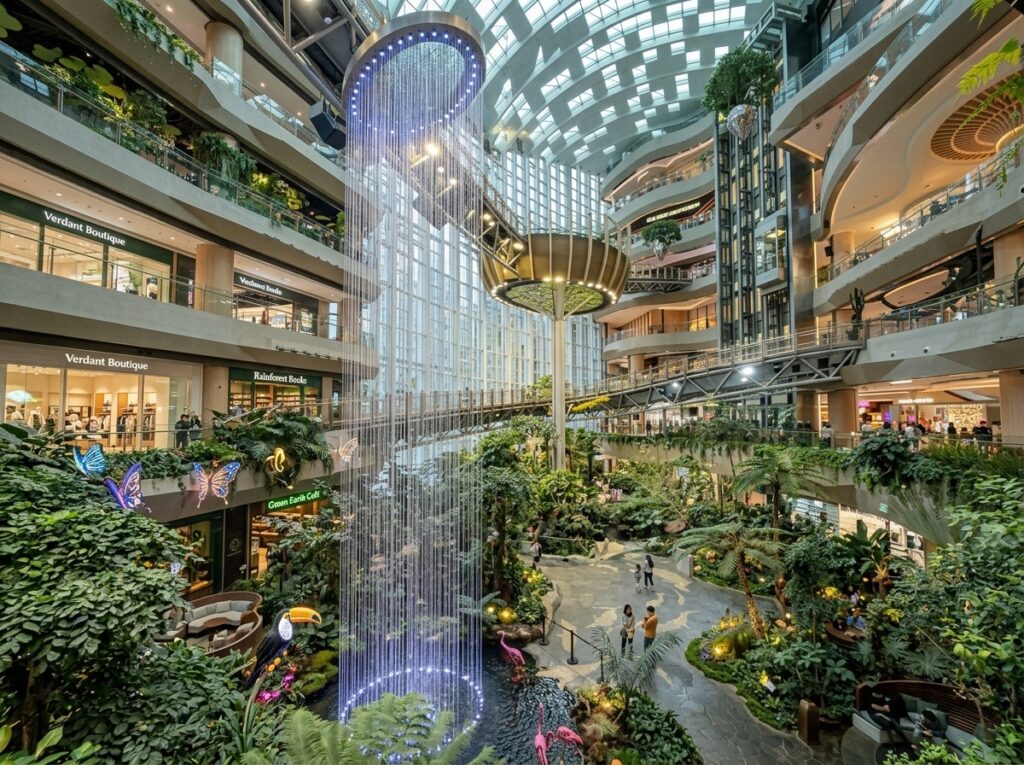
The Ring Mall, Ching Chong (Images sourced from the Internet. Images used for illustrative purposes.)
On the architecture side, that strategy translates into physical transformation showcasing real retail architecture trends:
- De-siloing the floor plan, opening closed, inward-looking concourses into fluid, interconnected gathering hubs with clear sightlines to key destinations
- Redesigning traditional food courts into high-volume food halls and diverse dining destinations with communal seating
- Activating indoor-outdoor connections through dynamic storefront glazing, patio extensions, pedestrian plazas, and public realm amenities that encourage people to linger
- Replacing sterile, utilitarian 90s finishes with warm, natural materials, biophilic elements, and curated lighting that elevates the overall visitor experience
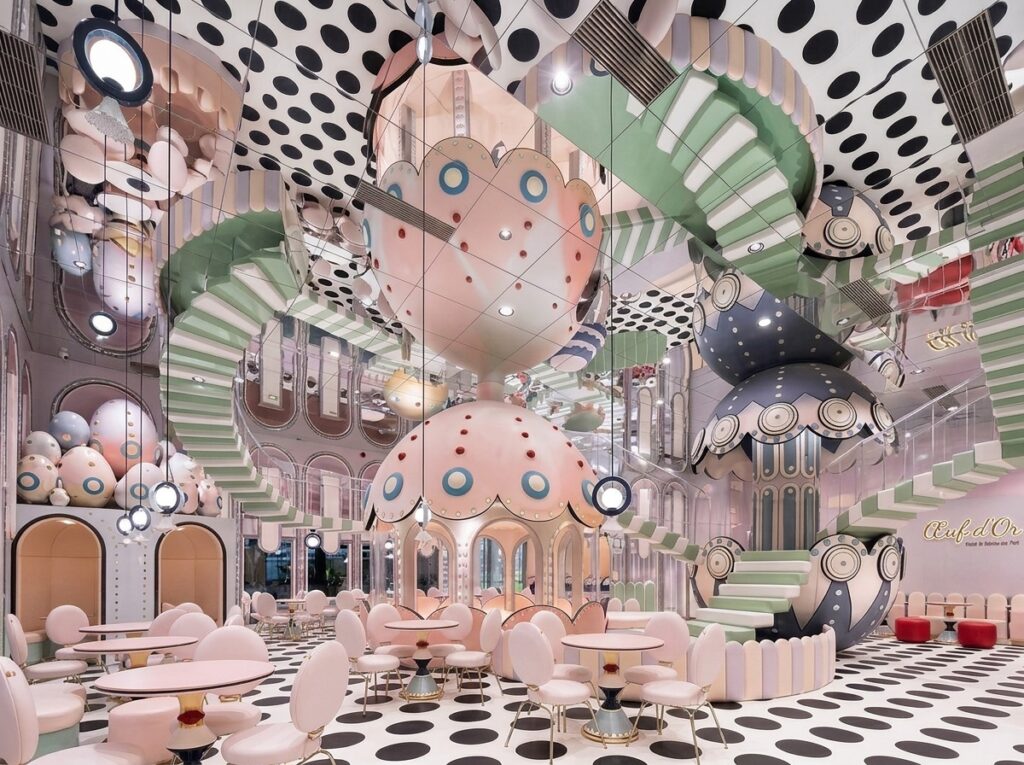
Incity Mega Mall, Shanghai (Images sourced from the Internet. Images used for illustrative purposes.)
The Outcome of a Strong Retail Repositioning Strategy
By shifting from a transactional framework to an experiential destination, legacy commercial assets recover lost foot traffic, increase average visitor dwell time, and build a more resilient tenant ecosystem positioned for long-term performance.
Rather than competing on the terms of a retail model that no longer exists, these properties are redefined around what today’s shopper actually wants: connection, culture, and experience. That’s the power of a well-executed retail repositioning strategy , and it’s the work ARCCAN does every day for commercial mall retrofit projects across Ontario and beyond.
Services
Location
Client
Facts and Figures
11k
Square feet are designed for Exterior Envelope
3
Levels are unified by a Contemporary Facade.
5
Primary materials define the architectural language
Watch more and share your ideas on our Channels: