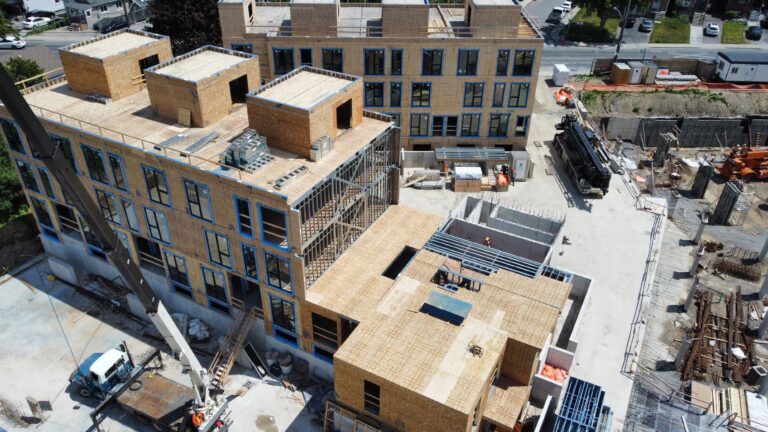
Canada construction megaprojects are transforming the national building industry in 2026. With over $632 billion in major projects either underway or planned through 2034, Canada construction megaprojects are no longer a future trend—they are the present reality reshaping how the country builds, invests, and grows.
After years in which residential condominium development defined the skylines of Toronto, Vancouver, and Montreal, the market narrative is shifting decisively. The next decade of growth is increasingly tied to nation-building infrastructure corridors, transit investments, and large-scale energy facilities—rather than residential towers.
In ARCCAN‘s view, this is more than a cyclical swing. It is a structural rebalancing that will shape Canada’s capacity, workforce needs, and delivery models for years to come.
From condo-driven growth to major projects
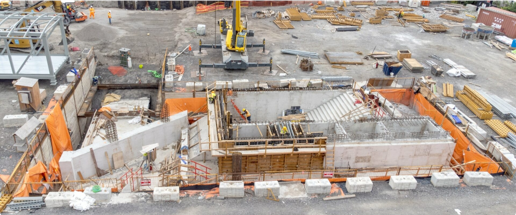
For nearly two decades, condo development functioned as the engine of urban construction activity. But recent signals point to a decisive cooling in parts of the residential pipeline—especially where pre-construction sales and financing have tightened. At the same time, the scale of planned and active major projects is expanding significantly.
The industry is currently seeing a surge in major projects either underway or planned through 2034, representing a double-digit increase from previous years. For construction professionals and architectural design teams, this means shifting focus toward complex, civil-led works that serve the long-term economic trajectory of Canada.
Energy megaprojects: scale, complexity, and long timelines
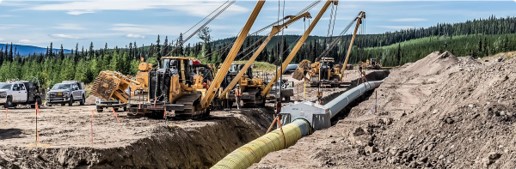
Energy is positioned as a primary driver of this new cycle. With hundreds of projects currently in various stages across the country—encompassing LNG, nuclear refurbishment, hydroelectric expansion, and hydrogen infrastructure—the scale is unprecedented. These projects are complex, highly regulated, and multi-year, requiring specialized planning, safety systems, and highly skilled trades.
From nuclear refurbishment programs in Ontario to massive export terminals, these energy initiatives create sustained demand for specialized construction services. For firms looking to participate, the barrier to entry is often higher; technical excellence and a proven track record in heavy industrial environments are essential.
Infrastructure as the foundation of the pipeline
Beyond energy, Canada’s infrastructure expansion is set for steady growth through 2030. This growth is underpinned by federal and provincial commitments that prioritize transit, utilities, roads, and ports as strategic economic imperatives. Investment at this scale signals a “nation-building” ambition reminiscent of the post-war era, moving away from short-term builds toward decade-spanning infrastructure programs.
What this means for Canada’s construction sector
1) The labour imperative
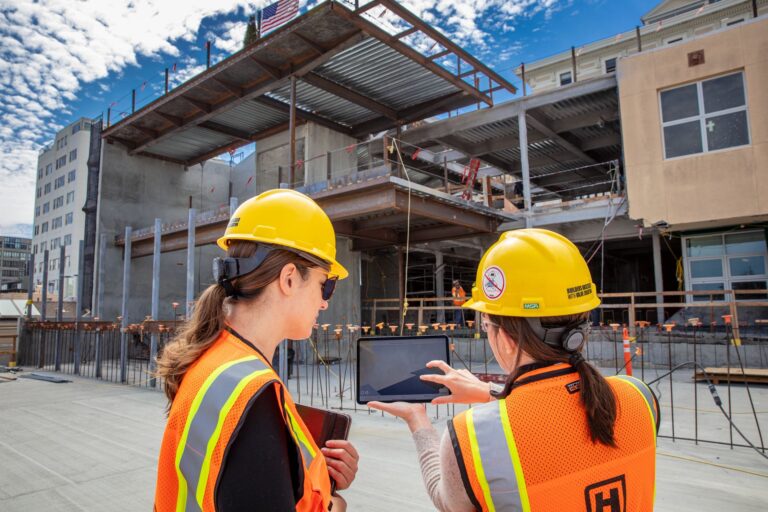
The industry faces a significant workforce challenge: a large number of experienced tradespeople are expected to retire, while recruitment must scale up to deliver megaproject growth. In Toronto and other major hubs, the demand for heavy civil and industrial skill sets will likely lead to increased competition for talent, making recruitment and retention a top priority for developers and contractors.
2) Technology as competitive advantage
Megaprojects increasingly demand modern digital workflows. Tools like BIM (Building Information Modeling), digital twins, and automation are no longer optional—they are essential for maintaining margins and meeting the strict delivery requirements of large-scale infrastructure. Firms that adopt these technologies early gain a measurable productivity edge in a tight labor market.

3) The green imperative
Sustainability is now a baseline requirement in procurement. Net-zero commitments are driving a wave of energy-efficiency work and demand for low-carbon materials. Infrastructure projects must now demonstrate clear carbon-reduction strategies, making sustainable expertise a core competency for any modern construction firm.
ARCCAN perspective: positioning for the megaproject era
For construction and design leaders across Canada, and specifically within the Toronto market, the strategic goal is to align capability with the market’s direction. Success in the megaproject era requires disciplined project controls, strong partnerships, and comfort with collaborative delivery models that prioritize long-term value over lowest-bid simplicity.
Canada is building its future through infrastructure and energy systems. The organizations that adapt—by investing in people, technology, and sustainable delivery—will be best positioned to lead this transformation.
ARCCAN provides industry analysis and perspective on the trends shaping the Canadian built environment. If you are looking to partner on your next major development, our team is ready to help build what’s next.